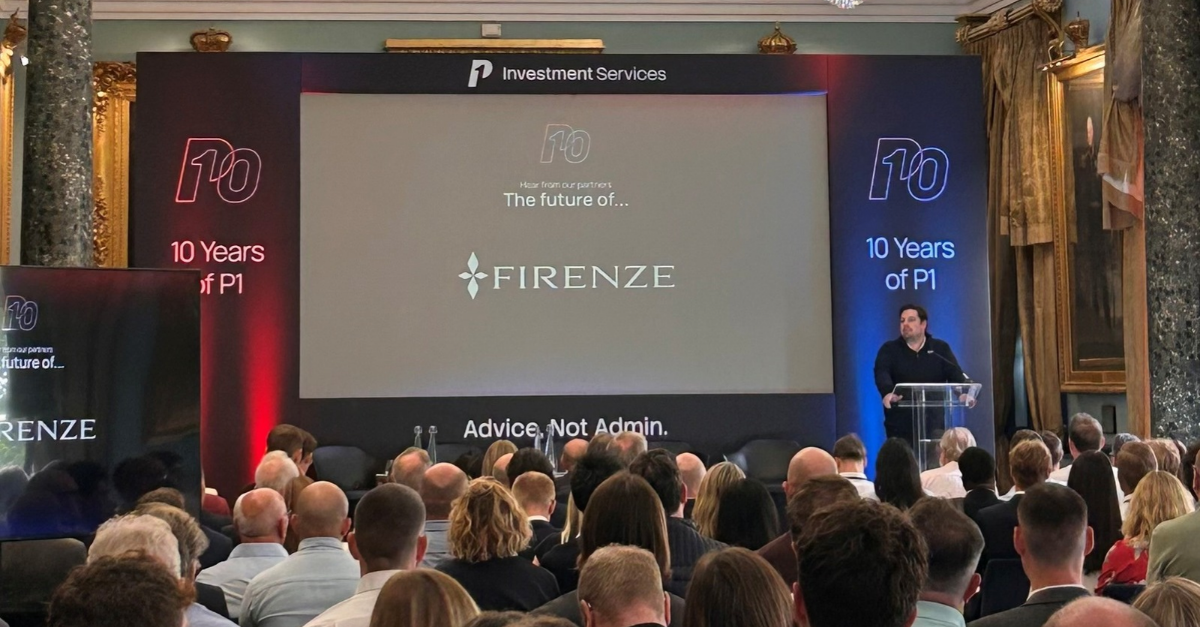
Our trusted partner, P1, celebrated a landmark milestone of ten years in business last week. To acknowledge, the firm hosted P10 – a gathering of speakers and industry experts under the theme “The future of…”. Our CEO, David Newman, was kindly invited to discuss the future of lending. We’ve outlined below his thoughts on its progression in a world of AI and evolving technological capabilities.
Buy, borrow, die
A common phrase that every Registered Investment Adviser in the US will know but leads to confusion here. An individual accumulates wealth and buys some assets. They borrow against them, meet their liquidity needs from the borrowing and watch the assets grow. This gives them more capacity to borrow, and then die with the debt falling outside of their estate for IHT purpose and rebase for CGT.
According to Schwab, 23% of RIAs have at least one client using credit secured against their portfolio. On average, 9% of their clients are using leverage to meet their liquidity needs.
The same principles when doing Lombard lending work just as well in the UK and Europe but still largely remains the preserve of the ultra wealthy.
Democratising Lombard lending
Part of our business at Firenze is to democratise access to Lombard lending and make it more available to a broad range of clients. This includes ensuring that the business lands in the hands of advisers whose clients just want to keep their assets with the adviser they know and trust, thus avoiding transferring custody of assets to private banks.
In order for true transformation to take place with regards the perception of lending, there needs to be a significant change in the mindsets of the public. It is vital that this is driven by shifting attitudes in how people think about their wealth rather than just copying what they are doing on the other side of the pond. There is a place for Lombard lending in the UK, but to understand how to implement it effectively in the future, it would help to understand its origins.
The first ever case of Lombard lending occurred in 15th century Italy, when the Pope secured a loan against his art portfolio from the Medici family. The structure of Lombard lending remained largely something used by private banks and the ultra-wealthy for the next 500 years. To access, clients typically needed £1m, £3m, or £10m portfolios.
While the portfolio size requirements have significantly changed since then, the fundamental basis of needing a specific liquidity need reflects why the Pope used it all those years ago. 80% of the Lombard lending we see today sees clients draw down less than £1m for less than 12 months. They have a £700k portfolio, they are downsizing, they don’t want to be stuck in a chain, and they repay six months later.
That will change.
Lombard lending for strategic wealth planning
People will think strategically about leverage like the wealthy do, and start using both sides of their ‘personal balance sheet’ to achieve their goals. They will think like a corporate. When used conservatively, they take on debt and equity to help meet their liquidity needs.
This will be driven by a number of factors over the next five years:
- Tax landscape – Rising CGT; losing allowances makes it harder to navigate managing a portfolio around CGT.
- Inflation – Purchasing power of money is being eroded faster than people’s ambitions.
- Access and awareness – those changes don’t just happen unless their is a shift in both factors. P1 is one of the firms leading this, bringing the ability to do Lombard lending directly within their app for clients with portfolios starting from £150k.
This change in access, awareness, and driving uptake will lay the foundation for the next decade where emerging technology will shape how it is utilised.
AI and blockchain are not just buzzwords in secured credit – they will power the future.
- In the next decade we will see the rise of use of agentic credit structures advising clients on their personal balance sheet.
- Whether that is sat within an adviser’s toolkit of a client accessing it directly remains to be seen.
Ultimately, innovation and evolution of financial advice using these tools are for the good. They will drive better client outcomes, and help clients think about their wealth holistically and optimise how they use their personal balance sheet.